Friday 20 March 2026, 10:21 PM
How Matter 1.5 disrupts smart home video with TCP and WebRTC
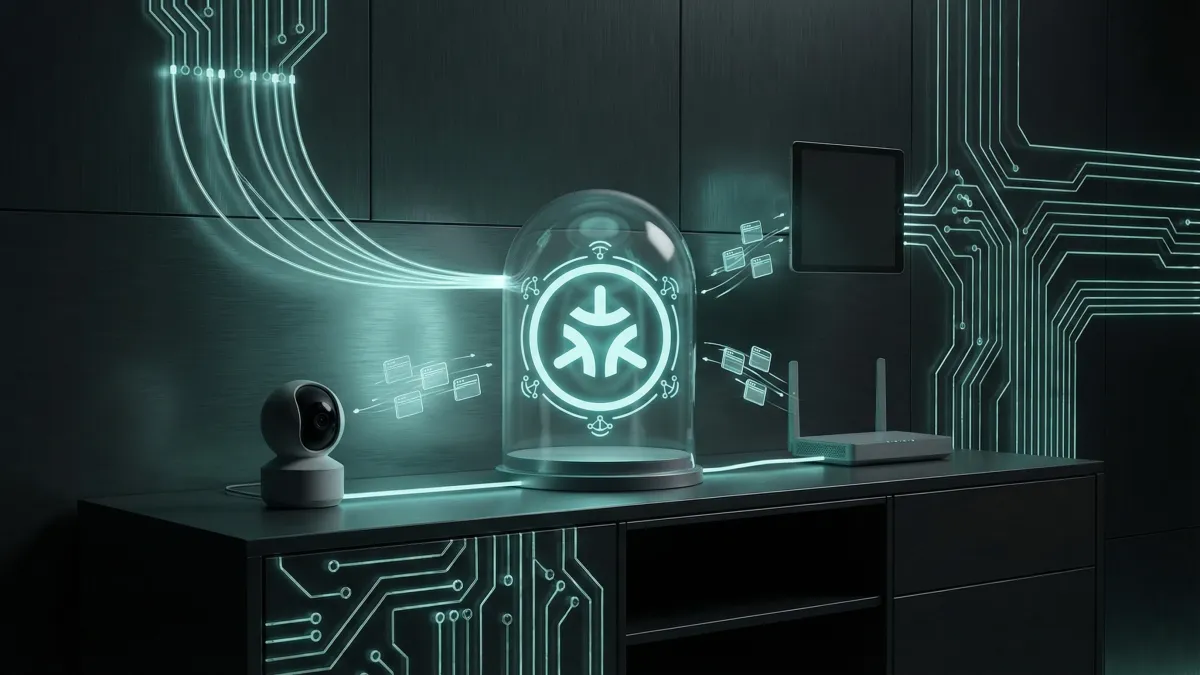
The Matter 1.5 specification introduces TCP transport and WebRTC camera streaming, eliminating vendor APIs and revolutionizing smart home data transport.
If you’ve spent any time integrating IoT devices or architecting smart home infrastructure over the last few years, you already know the headache of dealing with video. For all the progress we’ve made standardizing simple binary state changes—like turning on a light or locking a door—camera streams have remained stubbornly trapped in walled gardens. We’ve been forced to rely on fragmented, vendor-specific APIs and proprietary cloud infrastructure just to get a basic video feed onto a dashboard.
That changes with the Matter 1.5 specification, which the Connectivity Standards Alliance (CSA) officially published on November 20, 2025.
When I dug into the newly released documentation, it became immediately clear that this isn't just a minor feature bump. Matter 1.5 represents a fundamental architectural shift. By finally addressing the transport layer and media negotiation for high-bandwidth devices, the CSA is giving us the tools to decouple hardware procurement from software ecosystems.
Here is a breakdown of the implementation details and why this update is going to change how we build IoT data pipelines.
Moving beyond UDP to native TCP transport
Historically, the Matter protocol relied almost entirely on the User Datagram Protocol (UDP). From an engineering standpoint, UDP makes perfect sense for low-latency, lightweight commands where a dropped packet isn't the end of the world. But it is inherently lossy and entirely inadequate for continuous video streaming, high-resolution snapshots, or massive Over-The-Air (OTA) firmware updates.
Matter 1.5 officially integrates full support for Transmission Control Protocol (TCP). By opening up a robust, error-checked communication lane, the protocol can now reliably handle large, continuous data payloads. We are finally moving away from hacky workarounds for packet loss. For engineers building enterprise-grade ecosystems or robust local network controllers, having native TCP transport within the Matter standard means we can finally guarantee payload delivery for complex device categories like IP cameras, video doorbells, and advanced sensors.
WebRTC and the end of proprietary cloud relays
What excites me most about this release is how it handles the actual video pipeline. Matter 1.5 explicitly mandates the use of the open-source WebRTC standard for media negotiation and transport.
Instead of forcing a camera to ping a vendor’s cloud server just so you can view the feed on a different subnet, the specification utilizes W3C and IETF-standardized STUN and TURN protocols for NAT traversal and remote access. This is a massive win for scalability and user experience. Devices can now stream video securely and directly without bouncing through a vendor-specific relay.
By eliminating these proprietary cloud dependencies, we can deploy cameras based purely on their optical specs rather than worrying about platform lock-in. It’s worth noting that this standardization poses a serious threat to the recurring monthly revenue (RMR) models of traditional camera vendors, as it enables seamless local event recording. But for those of us building the next generation of smart environments, it removes a massive bottleneck.
Zone management and privacy compliance
When you deploy cameras in corporate workspaces or multi-tenant buildings, privacy compliance is usually the hardest engineering hurdle to clear. The new specification addresses this directly by introducing a dedicated Zone Management cluster.
This cluster natively supports the definition of privacy zones—specific physical areas explicitly excluded from surveillance—and detection zones right at the protocol level. We no longer have to rely on the camera manufacturer's proprietary app to black out a desk or a neighboring window. By standardizing this data, we can programmatically ensure our deployments adhere to strict European privacy laws and corporate regulations directly through our own control planes.
Pushing energy optimization to the edge
While video support is the headline feature, the architectural improvements in Matter 1.5 extend into the energy sector in a way that aligns perfectly with the modern grid.
The update introduces a dedicated Electrical Energy Tariff device type. This structures complex utility pricing models—like Time of Use (TOU) and block tariffs—into a standardized format. Instead of building custom API integrations to pull pricing data from the cloud, edge devices like bidirectional EV chargers and heat pumps can autonomously ingest utility tariffs and grid carbon data.
This allows the hardware to autonomously optimize its own energy usage. For startups working on Vehicle-to-Grid (V2G) solutions or grid load balancing, this standardizes the data ingress, allowing us to focus on the optimization logic rather than the integration layer.
Built upon the stabilized Thread and Wi-Fi infrastructure from earlier this year, Matter 1.5 signals that this ecosystem has matured. We are no longer just flipping switches; we are managing enterprise-grade, continuous data pipelines. With the first certified hardware expected in early 2026, it’s time to start updating our architectures to take full advantage of native TCP and WebRTC.
References
- https://csa-iot.org/newsroom/matter-1-5-introduces-cameras-closures-and-enhanced-energy-management-capabilities/
- https://edisonsmart.com/matter-1-5-adds-camera-support-overhauls-energy-management/
- https://www.matteralpha.com/industry-news/matter-1-5-introduces-camera-support-finally
- https://matter-smarthome.de/en/development/matter-1-5-arrives-bringing-long-awaited-cameras/
- https://www.techspot.com/news/110350-matter-15-adds-universal-camera-standard-now-big.html
- https://research.samsung.com/blog/CSA-Matter-1-5-Release-Introducing-support-for-Cameras
- https://www.silabs.com/blog/matter-1-5-for-next-generation-smart-homes
- https://www.parksassociates.com/blogs/home-systems-and-controls/matter-15-brings-cameras-into-the-standard-and-resets-the-stakes-for-smart-home-monetization
- https://en.wikipedia.org/wiki/Matter_(standard)
- https://www.graniteriverlabs.com/en-us/technical-blog/matter-1.5-cameras-closures-energy